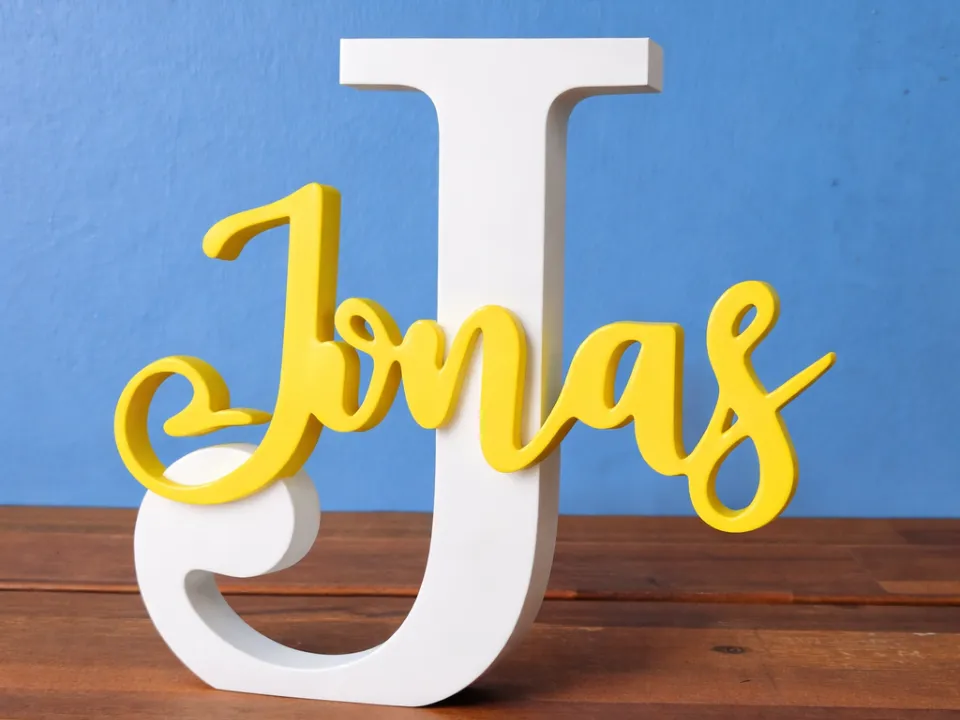
The 3D-printing-on-Etsy world is full of YouTube top-10 lists that grade products by "this looked nice when I printed it." That's not a market signal. The list below is built from real Etsy listings, real monthly revenue, and a few hundred hours of cross-checking with eBay sold data and Amazon Handmade. Some of these I sell myself. Some are competitors. All of them are making money in 2026.
This post is structured to be useful to two readers: the person who wants specific ideas to copy (or at least to sketch a variant of), and the person who wants to understand the patterns so they can pick their own product. You'll get more out of it if you read the patterns at the end after the rankings.
THE TOP 10 PRINTS ACTUALLY EARNING ON ETSY IN 2026
Don't copy these - validate your own version
Paste any 3D-print URL or describe your idea. We'll score Etsy demand, profit margin and copyright risk in 30 seconds - built on the same dataset behind this article.
Try the free validator →WHAT WON'T SELL (AND WILL GET YOU BANNED)
Equally important: the categories that look profitable until you check the IP risk. These are real top earners - sometimes earning €1,000–€2,500/month - but the listings get pulled by Etsy's automated enforcement, and the seller usually loses the entire shop:
- Disney, Marvel, Star Wars characters. Disney enforces aggressively - Mickey watch covers, Avengers Tower Echo holders, R2-D2 accessories, Captain Underpants rings. All earn well. All get nuked.
- Nintendo / Pokémon / Mario / Zelda anything. Nintendo is the most aggressive IP enforcer on Etsy, period. Snorlax watch covers, Thwomp tissue boxes, Switch holders shaped like treasure chests with Hyrule branding - they ALL get pulled.
- Simpsons / Family Guy / SpongeBob etc. Same story - Fox/Disney/Viacom take down character listings on sight.
- Generic phone stands / cable clips / bookmarks / dragons. Not IP-banned, but 60,000–120,000 listings deep. You'll never rank.
- Anything with food contact and only PLA. PLA isn't food-safe. PETG or resin with disclaimer is the minimum bar; otherwise you're inviting refund disputes and bad reviews.
If you see a Pokémon-themed listing earning €2,500/month and think "I'll do that" - you're not wrong about the demand, but the supply window closes the day Etsy's bot finds it. The right move is to sell the same format with an original character. The "character mouth holds a household object" template works for any face you design yourself.
THE PATTERNS THAT SHOW UP IN ALMOST EVERY WINNER
If you read those ten products carefully, you'll notice the same four patterns repeating:
1. Personalisation or exact-fit beats general appeal
"Phone stand" is saturated. "Personalised phone stand with engraved name" isn't. "Replacement Dyson V8 wand clip" isn't. The buyer is searching for their thing, not a thing.
2. The differentiator commands the price
A generic dragon on Etsy lists for €15. The Crossbow Dice Roller - original mechanical design, no IP - lists for €45 and earns €7,712/month. Same printer, same filament, 3× the price. Design is the moat.
3. Photography is half the variable
Multiple times in the dataset, the same 3D model from two different sellers had a 5–10× revenue gap. The seller who shoots in styled context - desk with a MacBook, kitchen counter with a coffee, kid's room with toys - wins. Always.
4. Sustained demand > viral spike
Almost every top earner is "evergreen" - Apple ecosystem accessories will keep selling as long as Apple exists; replacement parts for KitchenAid will keep selling as long as the appliance does. Trend-chasing works for 4–8 weeks; evergreen products fund a business.
THE LISTING PLAYBOOK FOR YOUR FIRST SALE
Once you've picked a product (and validated it with real data - please don't skip that step), here's the playbook that consistently produces a first sale within 30 days:
Title structure
Use this exact pattern: [primary keyword] | [variant or differentiator] | [target buyer or use case]. Example: Personalised Headphone Stand | Custom Name Engraved | Office & Gamer Gift. Three buyer intents in one title - Etsy's algorithm rewards this.
Photos
10 slots, used as: 3 hero shots (white + lifestyle), 3 detail shots, 2 hand-for-scale, 1 size chart, 1 packaging shot. The first photo decides whether anyone clicks; spend an hour on it.
Pricing window
The €15–€30 sweet spot is a real thing. Below €15, perceived value collapses. Above €30, you need either a unique design moat or premium photography (or both). Most sellers should aim at €18–€28 for their first product.
Tags
Use all 13 tag slots. Pull them from your top 3 competitors' listings - Etsy makes tags visible if you know where to look (browser dev tools). Don't reinvent.
What to do after 14 days
- <50 views: title and tags problem. Rewrite both.
- 200+ views, 0 sales: price or first photo. Drop the price by €3–5 OR replace the cover shot.
- 200+ views, 1+ sale: duplicate the listing as a colour or size variant; you've found a winner.
THE SHORT VERSION
If you remember nothing else: the question isn't "can you sell 3D prints on Etsy?" It's "can you pick the right thing to sell?" 80% of new sellers earn under €100/month because they pick a generic, saturated, or IP-flagged product. The 20% who earn real money pick something specific, validate it against real data, and ship a properly-photographed listing in the €15–€30 window.
You don't need a different printer. You don't need ads. You need a product where someone is already searching for what you're about to make.
Pick one. Validate it. Print it. Ship it.
That's the whole game.